Saudi Arabia is expanding its efforts to place health and wellbeing at the centre of urban development.
The Kingdom now has 21 cities accredited through the World Health Organization’s Healthy Cities Programme, according to an announcement by the Saudi Ministry of Health.
The programme takes a broader approach to public health, recognising that healthier communities depend on more than access to medical services.
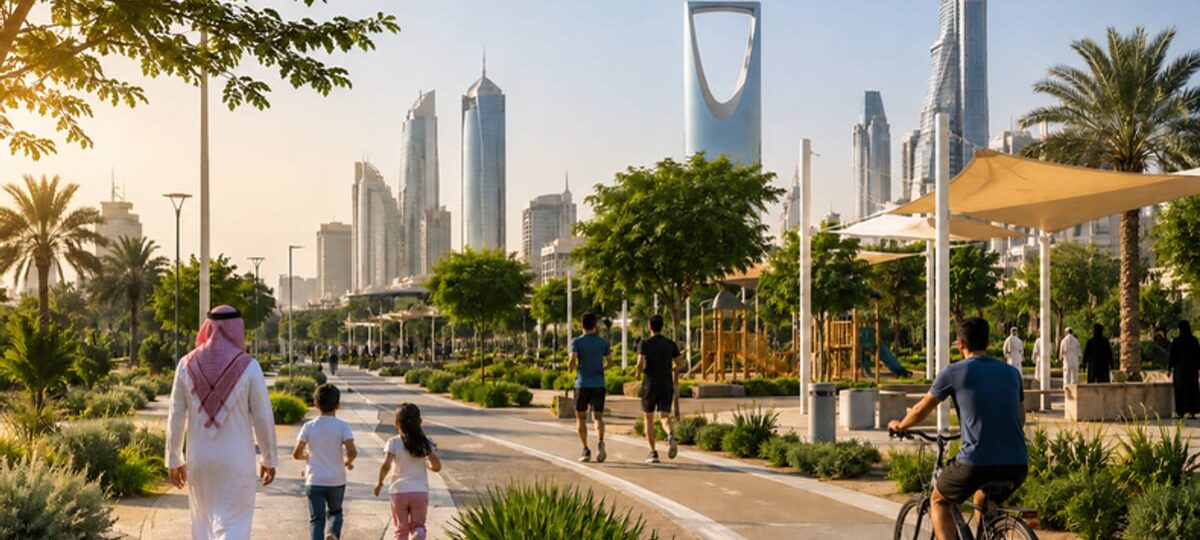
Urban planning, environmental conditions, public services, community participation and opportunities for physical activity all contribute to how people experience health in their daily lives.
This approach reflects a growing understanding that the design of cities can influence lifestyle choices, social connections and overall quality of life.
For rapidly developing cities across the Middle East, the Healthy Cities concept offers an opportunity to consider how neighbourhoods, public spaces and infrastructure can support healthier living.
The longer-term challenge will be translating accreditation and planning commitments into measurable improvements in people’s everyday experiences.