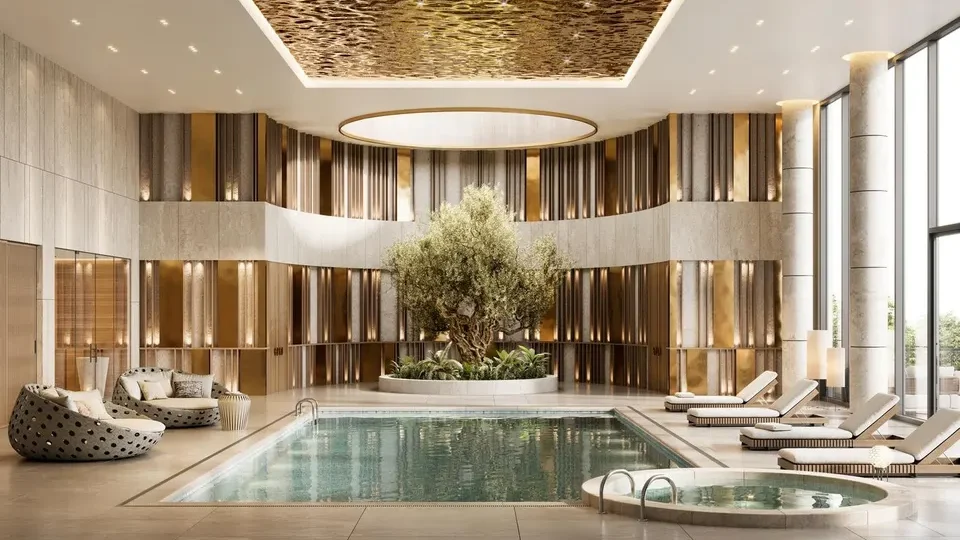
Wellness travel has seen a significant surge in the last few years, as rising burnout, stress and post-pandemic health conditions have led to overall wellbeing increasingly being seen as a priority, rather than an indulgence.
The global wellness market is expected to hit around $9.8 trillion by 2029, according to the Global Wellness Institute.
This shift is mainly being driven by millennials and Gen Zers wanting to focus on rejuvenation and digital detoxing. According to McKinsey’s 2025 Future of Wellness survey, almost 30% of Gen Zers and millennials in the US are prioritising wellness “a lot more” compared to 2024.
At the same time, sustainability remains a key concern for travellers, driving greater interest in wellness hotels which take a more eco-conscious approach to luxury.
These hotels implement practices such as green design, renewable energy systems, responsible sourcing and conservation programs, often integrating them within their wellness offerings too.
From Turkish longevity hotels to island escapes in the Maldives, these luxury hotels are reshaping what sustainable wellness travel looks like.
Regnum The Crown: Longevity And Low-Carbon Luxury On Turkey’s Turquoise Coast
Located on Turkey’s Turquoise Coast in Belek, Regnum The Crown builds on its sister hotel, Regnum Carya’s sustainability reputation as Europe’s first LEED Gold Certified golf hotel, while adding a much wider array of wellness facilities.
The hotel capitalises on Turkey’s wellness and longevity tourism boom, with its sprawling 4,500 square meter Revive spa and wellbeing complex.
This combines high-tech longevity treatments such as lymphatic drainage, cold therapies, cellular detoxification and regeneration with centuries-old Turkish hammam and traditional spa and beauty treatments.
Beyond the spa, outdoor and active wellbeing activities include sunrise yoga, swimming and sports like tennis, football, golf and padel.
Regnum is currently focusing on a more holistic approach to wellbeing through personalized wellness packages, combining fitness analysis, nutrition consultations, tailored menus, and focused longevity and spa treatments.
This sustainable wellness approach is mirrored through its flagship healthy restaurant, Lotus, which highlights experimental dishes using fresh, organic and seasonal ingredients.
“In today’s world, we don’t know what we are eating. But everyone is health conscious now, reads labels and wants to know where their food is coming from. This concept is also to educate people on how they should be eating and give them a better option,” Chef Fırat Aktok explained.
The restaurant substitutes refined sugar with organic coconut sugar and raw honey, with many dishes also eliminating common allergens like dairy and eggs.
However, although local farmers and producers are involved, it can still be a challenge for the hotel to find suppliers who meet all the required sustainability criteria or can produce enough. This is especially since most Turkish organic and sustainable farmers are quite small and remote.
Regnum The Crown takes a “Green Therapy” approach to luxury wellness, which balances rejuvenation and nature conservation.
The hotel has completed full LED transformation, resulting in a 22% reduction in lighting-related energy consumption, further supported by smart building systems and automated lighting and heating controls.
Building materials focus on eco-friendly, durable and recycled materials, along with high-quality acoustic insulation.
Digital records and recycling of chemical waste and vegetable oil support the hotel’s waste reduction and carbon minimisation efforts too.
“At Regnum, sustainability is not positioned as a label, but as a measurable, verified and continuously improving management approach. Our roadmap is aligned with the European Green Deal and our Net Zero 2050 vision,” Behiye Kara, quality director at Regnum The Crown, told Forbes.
The hotel also focuses on biodiversity and environmental conservation, with protected areas and habitat management for flora and fauna within hotel boundaries. It prioritises local and native plants in landscaping practices, with minimal usage of chemical pesticides and fertilisers.
Nesting areas for Caretta caretta sea turtles are protected, with measures to reduce coastline light and noise pollution during breeding and migration seasons. By reusing treated water, it contributes to protecting other aquatic life too.
Soneva Fushi: Marine Conservation Meets Barefoot Island Wellness
Located in the Baa Atoll- a UNESCO Biosphere Reserve- in the Maldives, Soneva Fushi is a pioneer in eco-luxury and wellness hospitality, recognised by the WTTC Tourism for Tomorrow Awards and awarded the 2023 Terra Carta Seal.
Established in 1995 on the Kunfunadhoo island, it was the first example of a “barefoot luxury” resort in the Maldives, introducing a more relaxed, nature-centric approach to high-end travel with its “no shoes, no news” concept.
The resort integrates eco-friendly wellbeing through its SLOW LIFE philosophy, which blends sustainable, local and organic wellness with inspiring and fun learning experiences.
Soneva Soul, its dedicated wellness concept, integrates modern medicine and ancient healing traditions, through sustainable and non-toxic offerings. These include Ayurveda and herbalism, along with longevity therapies and a number of specialised massages, among others.
Guests can also enjoy outdoor wellness through an open-air gym and meditation and breathwork sessions. Tailored, multi-day wellness programs focusing on detoxification, sleep or healthy aging are available too, which include consultations from health and wellbeing specialists.
A holistic approach to a healthy lifestyle and nutrition is emphasised by menus which showcase organic, nutrient-dense and plant-based food, limiting dairy and red meat.
Soneva’s Shades of Green restaurant is the Maldives’ first plant-based, organic and sustainable restaurant, a zero-waste restaurant focusing on raw food concepts.
The resort recycles around 70% of its waste through its Waste-to-Wealth facility. This facility houses Maldives’ only hot glass studio, where waste glass is transformed into art, with other waste being turned into usable resources like fertilizers, surfboards and aluminium hooks.
The resort has its own mineral water bottling plant too, offering both still and sparkling water in reusable glass bottles to its guests, as well as neighbouring islands, which helps cut plastic imports to the region.
Fresh produce from organic gardens utilise kitchen compost, which decreases the carbon footprint of food imports, while also enhancing soil quality.
Similarly, all its spa treatment ingredients are sourced locally, to reduce transport emissions and support the local ecosystem.
About 30% of Soneva Fushi’s energy needs are met by solar power. The resort also implements a 2% levy on all stays, the proceeds of which are used to support a range of sustainability and conservation initiatives.
Soneva Fushi supports marine conservation initiatives too, through its AquaTerra centre, which is one of the largest coral restoration projects in the Indian Ocean and is operated by the NGO Soneva CSM.
The programme currently focuses on heat-resilient coral research, micro-fragmentation, coral spawning and larval propagation.
The resort is also involved in community-led conservation projects, offering marine biologist-led snorkelling and coral planting sessions for guests as well.
Six Senses Vana: Ayurveda And Detox Retreats Anchored In Sustainable Himalayan Design
Six Senses Vana, located in the Himalayan foothills in Dehradun, India, blends ecologically sensitive sustainable design, recognised with a LEED Platinum certification, along with highly personalised traditional wellness offerings.
It emphasises a holistic wellness approach for both mental and physical health, through personalised programs which prioritise long-term health rather than quick fixes, and go beyond only physical treatments.
This includes Ayurveda, Tibetan medicine, yoga and natural healing therapies like reflexology, acupuncture, Watsu and specialised deep tissue and lymphatic drainage massages.
Tailored, multi-day programs implement in-depth wellness screenings and focus on detoxification, weight management, emotional balance and sleep.
Active and outdoor wellness activities include nature walks, functional fitness sessions, cooking lessons and sound healing. Guests can also participate in a Stress Relief Hike, with forest bathing, mindfulness and outdoor dining options as well.
Vana’s regenerative, low-impact approach follows its 6 Rs philosophy to rethink, reduce, reuse, recycle, refuse and respect.
Sustainable practices include organic dining, widespread waste reduction, plastic elimination and water and energy conservation strategies.
Vana’s on-site bottling plant reduces almost 100,000 plastic bottles a year, while recycling and repurposing glass and other materials.
It also uses rainwater harvesting as well organic waste disposal strategies, including composting. Farm-to-table cuisine features organic dishes and Ayurveda food principles, with ingredients grown in the resort’s gardens, thus reducing food emissions.
Similarly, cleaning products are natural and grown on site as well, which helps avoid harmful chemicals.
The resort deeply implements sustainable Himalayan design through buildings that integrate with the surrounding 21-acre Sal forests and foothills, eco-friendly materials and building principles which prioritise natural ventilation.
It uses eco-friendly materials, intelligent, low-impact energy systems, such as motion-sensor controls and solar water heating, along with natural lighting to optimize energy consumption.
Vana encourages regenerative travel too, by funding local community and conservation projects like a 1,000-cow-solar-powered shelter for injured, sick and abandoned cows, providing both veterinary care and food.
Other projects include Asiatic elephant protection programs which focus on elephants coexiting with local communities.
Vana also helps local river cleaning and disused spring restoration projects, to enhance water sources, along with artisan skill development. It also extends sustainability support and consulting to local suppliers in Uttarakhand, to improve community resilience.