As the Middle East’s wellness economy expands, a new opportunity is emerging to make healthier living part of everyday life through investment, innovation and more inclusive urban development.
Wellness has become one of the fastest-growing areas of the global lifestyle economy. From luxury retreats and longevity clinics to personalised nutrition and high-end fitness experiences, the industry is attracting increasing attention and investment.
Across the Middle East, particularly in Saudi Arabia and the UAE, major developments are bringing wellness into hospitality, tourism, real estate and healthcare.
Yet much of the industry’s visibility remains concentrated on premium experiences, often associated with affluent consumers.
This raises an important question: Can wellness become an accessible part of everyday life rather than a luxury reserved for those who can afford it?
The idea is gaining international attention. At the November 2026 Global Wellness Summit, Therme Group is scheduled to present a session titled ‘Wellness for Millions, Not Millionaires’, reflecting a broader shift towards more inclusive approaches to wellbeing.
For the Middle East, where cities are expanding and governments are investing in quality of life, the discussion is particularly relevant.
Rethinking What Wellness Means
Wellness is often associated with spas, retreats and fitness memberships. But wellbeing encompasses much more.
It includes access to nutritious food, opportunities for physical activity, preventive healthcare, green spaces, social connection and environments that support mental and physical health.
Many of these essentials do not require expensive services or exclusive facilities.
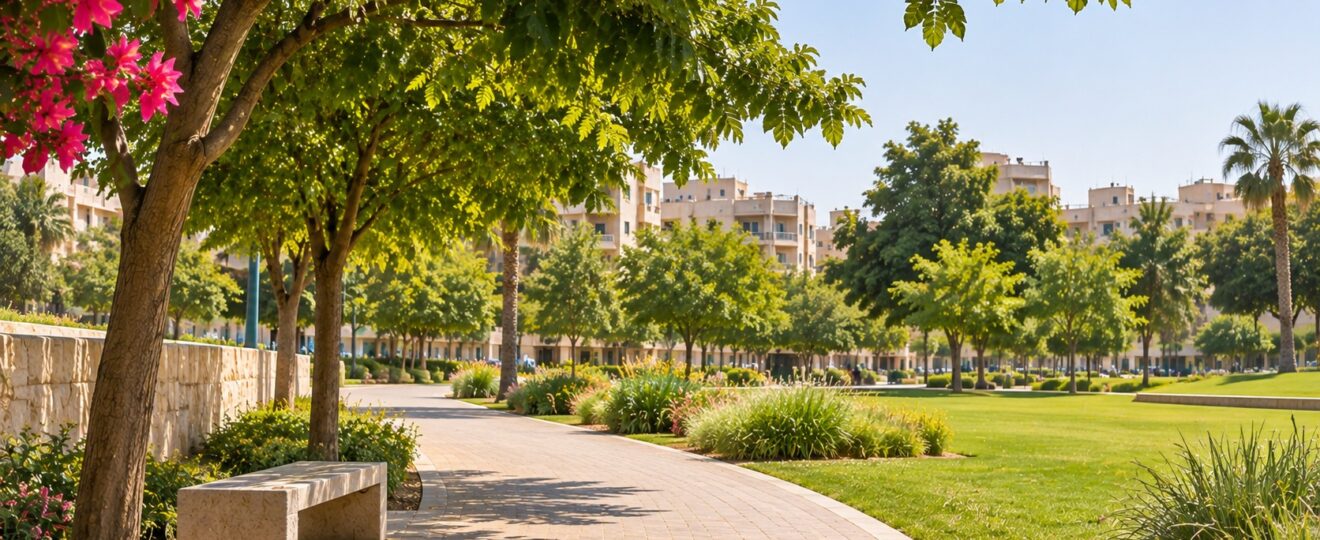
A shaded walking path, a safe public park, an accessible sports facility or a neighbourhood designed to encourage movement can contribute to healthier lifestyles.
The challenge is to move beyond viewing wellness primarily as a consumer product and recognise it as an important part of urban development, public health and community life.
How the Middle East Is Responding
Several countries in the region are beginning to integrate wellbeing into their broader development strategies.
In Saudi Arabia, Vision 2030’s Quality of Life Programme has placed greater emphasis on community sports, recreation, public spaces and healthier lifestyles.
The Kingdom’s Healthy Cities Programme has also expanded, with 21 cities and university campuses recognised under the World Health Organization’s Healthy Cities framework as of 2026.
These initiatives reflect a growing recognition that health is shaped not only by healthcare services, but also by the environments in which people live.
In the UAE, Dubai’s Fitness Challenge provides another example. The annual initiative encourages residents and visitors to engage in 30 minutes of physical activity daily for 30 days, supported by free community events and activities across the city.
Dubai’s Quality of Life Strategy 2033 also includes plans for improved public spaces, walking and cycling infrastructure, and more accessible recreational facilities.
Together, these developments suggest that wellness is increasingly becoming part of city planning and public policy, rather than remaining confined to the hospitality and leisure industries.
What About Egypt?
For Egypt, the opportunity is particularly significant.
With its large population, expanding urban communities and growing interest in healthier lifestyles, Egypt has considerable potential to develop more accessible approaches to wellbeing.
Public parks, walkable neighbourhoods, community sports facilities, affordable nutrition programmes and preventive healthcare services could all contribute to improving quality of life.
There is also an opportunity for developers to integrate wellbeing into residential communities beyond the premium segment.
Rather than limiting wellness facilities to exclusive compounds and luxury developments, healthier urban design could become part of more mainstream housing and neighbourhood planning.
This would require collaboration between government, real estate developers, healthcare providers, businesses and community organisations.
The Investment Opportunity: Making Wellness Scalable
Making wellness more accessible does not mean eliminating commercial opportunities. It means developing business and investment models capable of reaching a much broader population.
Affordable fitness services, community recreation facilities, digital health platforms, preventive healthcare programmes and healthier urban infrastructure all offer potential areas for investment.
Public-private partnerships could play an important role, particularly where commercial investment can be combined with wider public-health and community benefits.
Developers could incorporate accessible green spaces, walking routes and recreational facilities into new communities, while employers and insurers could support preventive health initiatives.
Technology companies may also help expand access through affordable digital health and fitness services.
The opportunity is to develop models that are financially sustainable while delivering measurable improvements in wellbeing.
For investors, this could open a market that extends well beyond the relatively small segment of consumers able to afford luxury wellness experiences.
Looking Ahead
The Middle East’s growing wellness economy presents an opportunity to rethink how healthier living is delivered.
Luxury wellness destinations will continue to play an important role in tourism and hospitality. But the industry’s wider potential lies in making wellbeing more accessible through everyday environments, services and community initiatives.
For governments, businesses, developers and investors, the question is no longer simply how to expand the wellness market, but how to ensure that its benefits reach more people.
The future of wellness in the Middle East may ultimately be defined not by how exclusive its experiences become, but by how many people can benefit from them.