
If cellular agriculture is going to improve on the industrial system it is displacing, it needs to grow without passing …
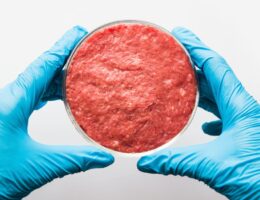

If cellular agriculture is going to improve on the industrial system it is displacing, it needs to grow without passing …

Investors are keeping a close eye on the plant-based food market as business continues to boom More businesses are entering …

Dive Brief: Thirty percent of shoppers who participated in a survey commissioned by Instacart about grocery-shopping habits adopted during the …

Eat Just Inc., a San Francisco-based startup making cultured chicken and vegan eggs, plans to build a commercial facility in …

With several widespread environmental issues emerging today, the impact of corporate social responsibility is crucial to help in preserving the environment. …
A third of customers understood leather to be a byproduct of the meat industry – despite it being ‘impossible’ to …

Plant-based or plant-forward eating patterns focus on foods primarily from plants. This includes not only fruits and vegetables, but also …
Arabian Adventures, part of the Emirates Group, has been recognised for achieving market-leading standards of service and sustainability across its …

Will a meatless food industry featuring lab-grown meat, seafood substitutes, and insect protein be the future of food? As Covid-19 upends …
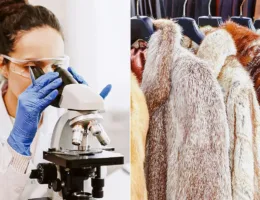
Cultured meat–meat created without the animal–is quickly becoming something that we can order at a restaurant. Producing meat this way could potentially help mitigate the effects of climate change, save resources, and greatly reduce animal cruelty.
If we can grow steak and tuna that has never been an animal, could this same technology take on other industries, like fashion? The answer is a hopeful yes. One startup is aiming to do it with lab-grown fur and wool.
Scientists at Amsterdam-based biotechnology startup Furoid have created the world’s first in vitro hair follicle linked to collagen. This is done by cultivating the stem cells of various animals (such as mink or leopard) under the right conditions so that it grows into actual tissue. (It’s similar to how cultured meat is made).
In this case, it’s a follicle that could then potentially be used to “bioprint” fur and wool without the need for animals. And the process of tanning and dyeing the fur would also happen at a cellular level, which would prevent the use of the pollutive chemicals used.